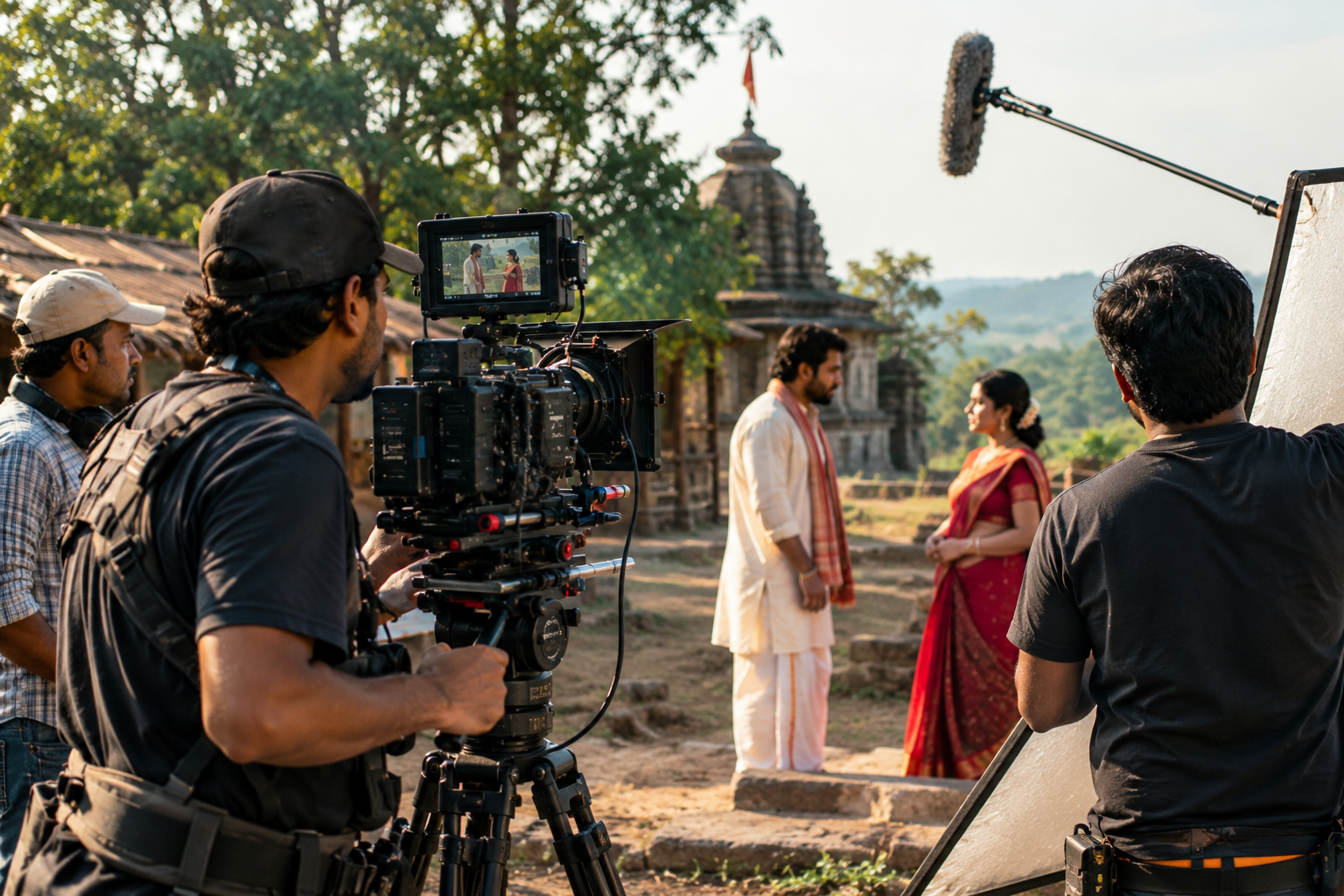
A finished movie may look effortless, but it is the result of many connected creative and technical decisions. From the first idea to the final release, filmmaking involves planning, teamwork and problem-solving. Understanding the process can help audiences appreciate the work behind regional films and help new creators see how a project can be organized.
1. Idea and script development
A production usually begins with an idea, character or central question. The writer develops this into a script with scenes, dialogue and a clear dramatic direction. Research, feedback and revisions can strengthen the story. At this stage, creators also consider the intended audience, language, genre, approximate runtime and practical scale of the project.
2. Pre-production
Before filming, the team plans locations, schedules, casting, crew, equipment, budget and permissions. A shot list or storyboard can help communicate the director’s vision. Costume, props, sound requirements, transport, meals and safety arrangements should be considered early. Good preparation reduces uncertainty on set.
3. Production and filming
During filming, the director works with performers and department leads to capture the planned scenes. The camera and lighting teams shape the image, while sound professionals record dialogue and relevant environmental audio. Continuity, time management and clear communication are important, especially when shooting across multiple locations or days.
4. Editing and post-production
Editors assemble footage into a coherent story. Sound editing, dialogue cleanup, music, colour work, visual effects and titles may follow, depending on the project. Subtitles and accessibility elements should be planned as part of delivery, not left as an afterthought. Reviews and revisions help ensure the final version is clear and technically consistent.
5. Release and audience engagement
A film may be introduced through a theatrical release, festival, community screening, television or an authorized digital platform. The team prepares promotional materials and confirms that music, footage, performances and other rights are properly cleared. Distribution agreements should be understood before a release date is announced.
Conclusion
Filmmaking is a collaborative process in which creative vision and practical organization support one another. Whether a project is large or small, careful development, respectful teamwork and a clear distribution plan help a story make its journey from script to screen.
Suggested internal link: https://nkbigstar.app/assamese-music-folklore-and-storytelling-in-modern-entertainment/




[…] From Script to Screen: How a Regional Movie Is Made […]
[…] From Script to Screen: How a Regional Movie Is Made […]