Introduction
Northeast India is often discussed as a single region, but its communities, languages, histories and landscapes are diverse. Cinema can help audiences move beyond broad labels by focusing on individual lives and specific places. A well-told story can make a setting feel real while inviting viewers to consider experiences different from their own.
Stories grounded in local voices
Authentic storytelling begins with listening. Writers and directors can learn from residents, artists, historians and community organizations when developing stories connected to a place. Local collaboration can improve details such as language, social relationships, clothing, architecture and everyday routines. It can also help creators recognize which parts of a story need more care or context.
Landscape as more than a backdrop
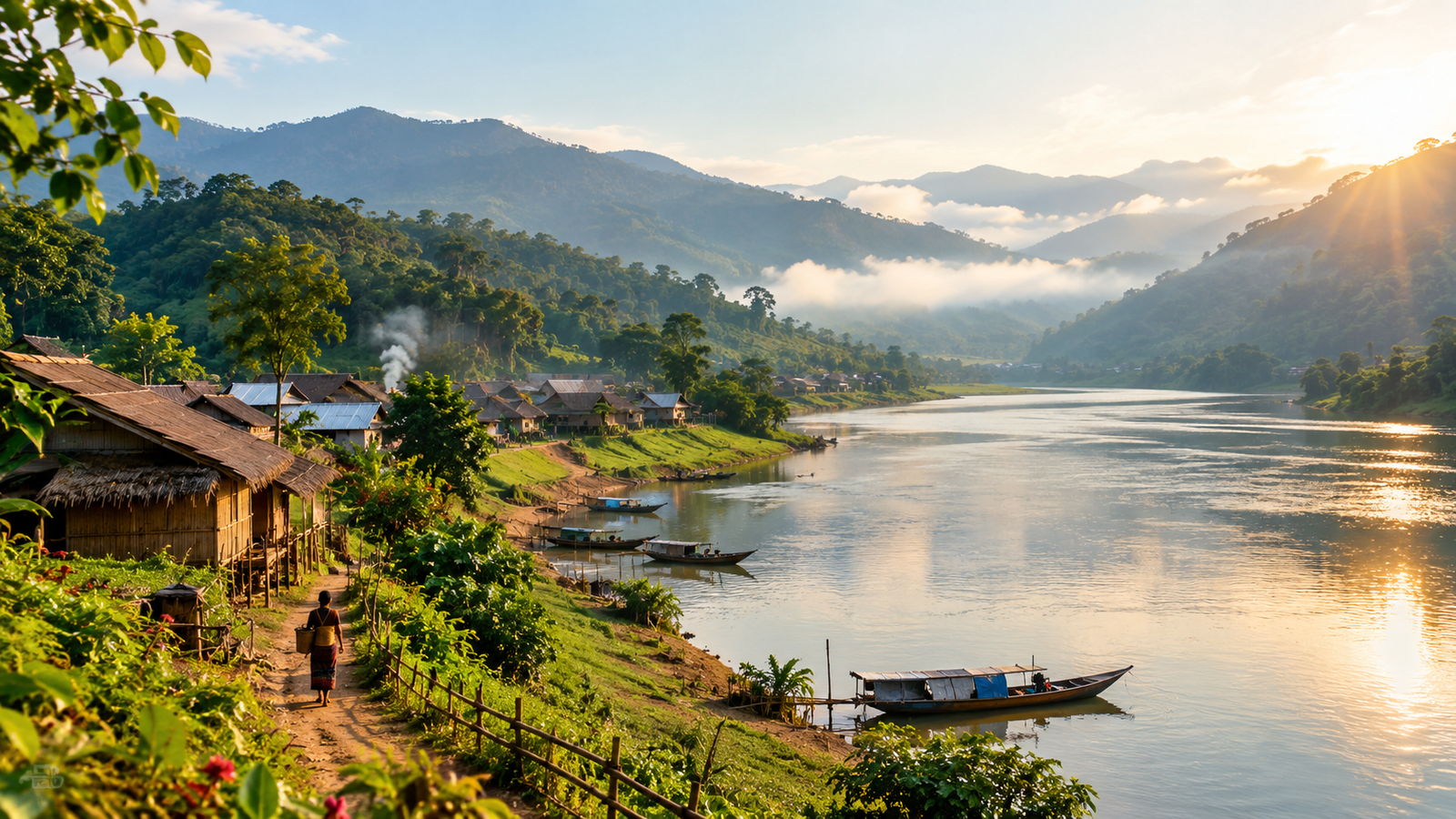
Rivers, hills, forests, roads, towns and changing weather can shape a character’s choices and the pace of a story. A setting becomes meaningful when it affects what characters do, how they relate to one another or what opportunities they have. Thoughtful location work can create a strong sense of place without turning scenery into a substitute for character development.
Language and identity
Language can express intimacy, humour, conflict and belonging. Films made in regional languages can preserve local speech and give characters a natural voice. Subtitles can make these works accessible to wider audiences while allowing the original language to remain central. Careful translation is important because idioms and cultural references do not always have direct equivalents.
Avoiding stereotypes
No single film can represent every community or experience. Stories become richer when characters are written as individuals with varied ambitions, disagreements and everyday concerns. Creators should avoid presenting communities as exotic, uniform or defined only by hardship. Complexity and specificity are more respectful—and often more compelling.
Conclusion
Cinema can introduce Northeast India through stories that are locally grounded and emotionally accessible. By making room for diverse voices and detailed perspectives, filmmakers can help audiences discover a region as a collection of living communities rather than a single image.



Be First to Comment